Millimetres
Multiply every linear value by 0.001.
Choose the unit used on your tape or rule. The worksheet converts length, width and height separately to metres, then multiplies those converted values. It never treats a centimetre as though its factor applies only once to a cubic result.
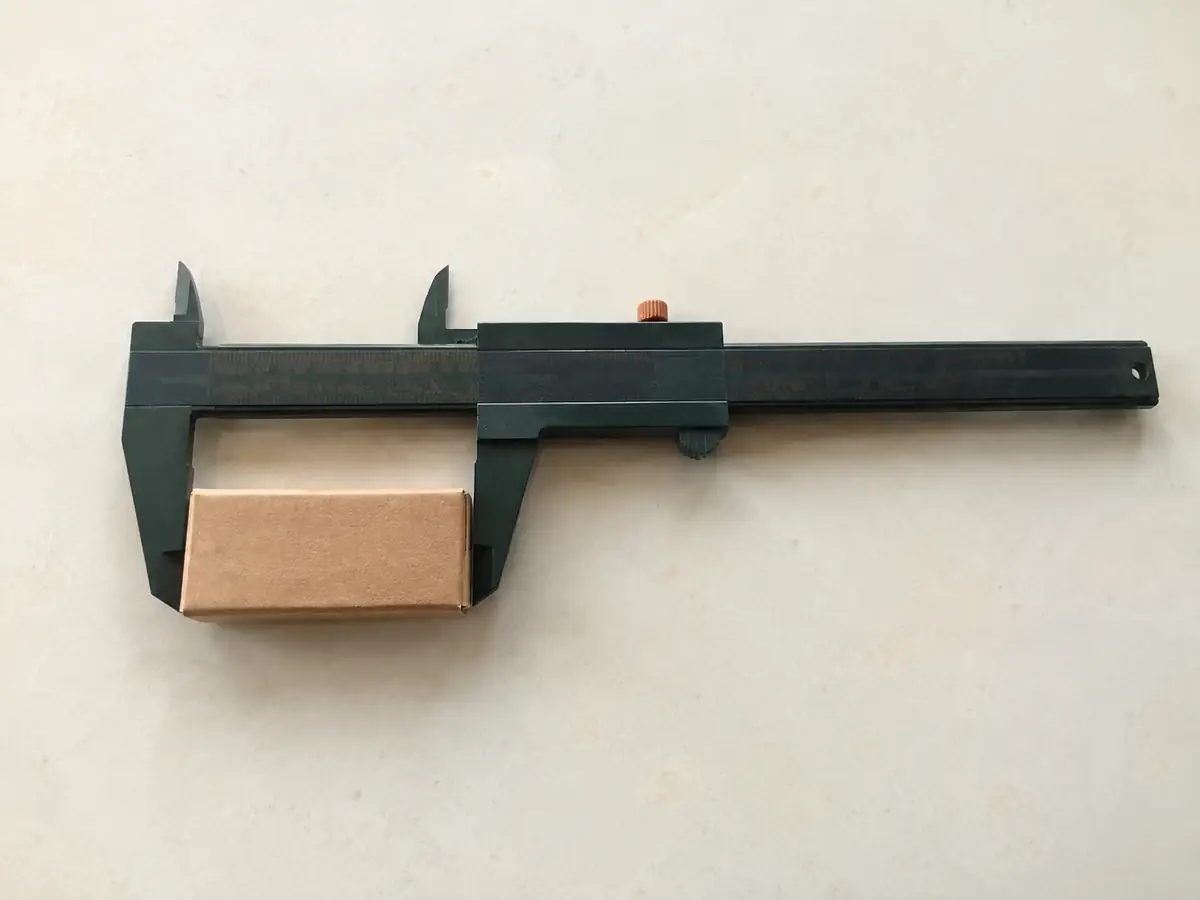
Choose the unit used on your tape or rule. The worksheet converts length, width and height separately to metres, then multiplies those converted values. It never treats a centimetre as though its factor applies only once to a cubic result.
Multiply every linear value by 0.001.
Multiply every linear value by 0.01.
Use the entered value unchanged.
Multiply every linear value by exactly 0.0254.
Multiply every linear value by exactly 0.3048.
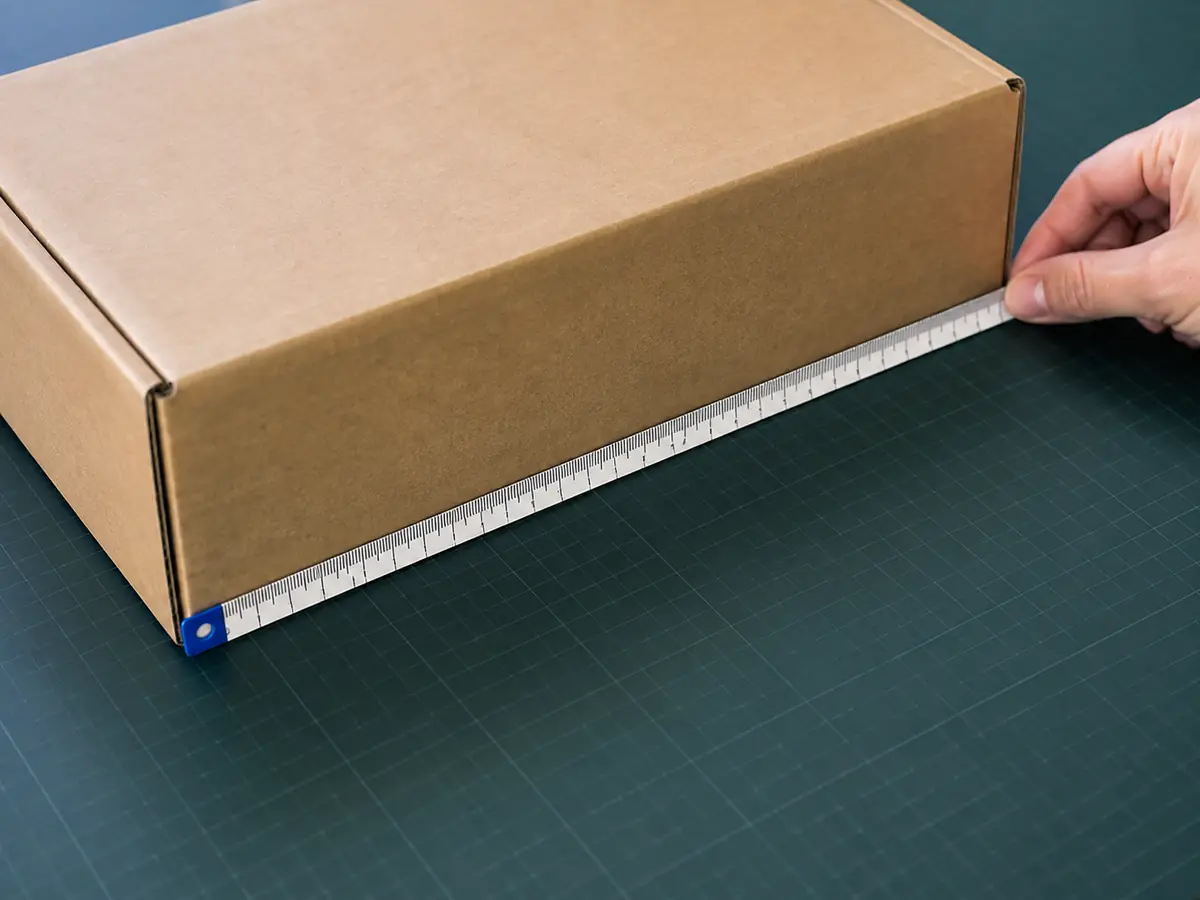
Align the zero point with one packed edge and read the furthest outer edge. Include fixed packaging and protectors.
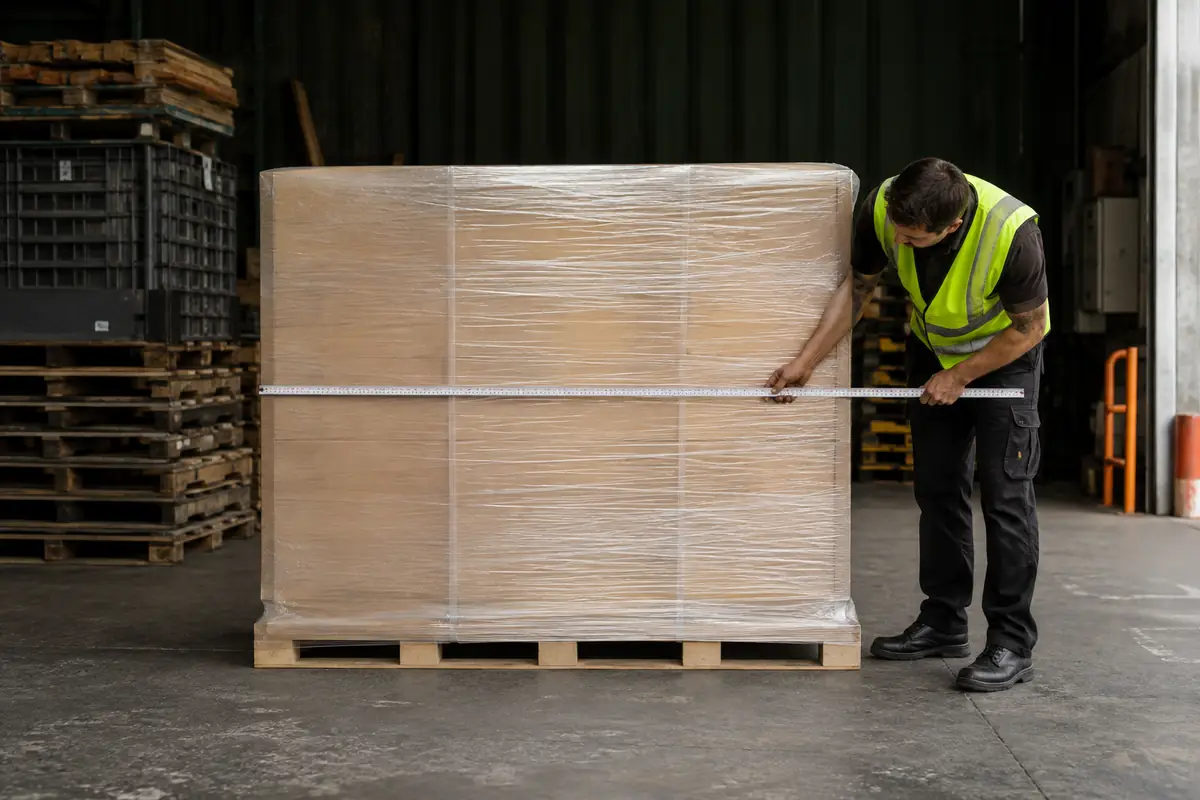
Long pallets and crates use the same three-dimensional formula. The measuring tool changes; the arithmetic does not.
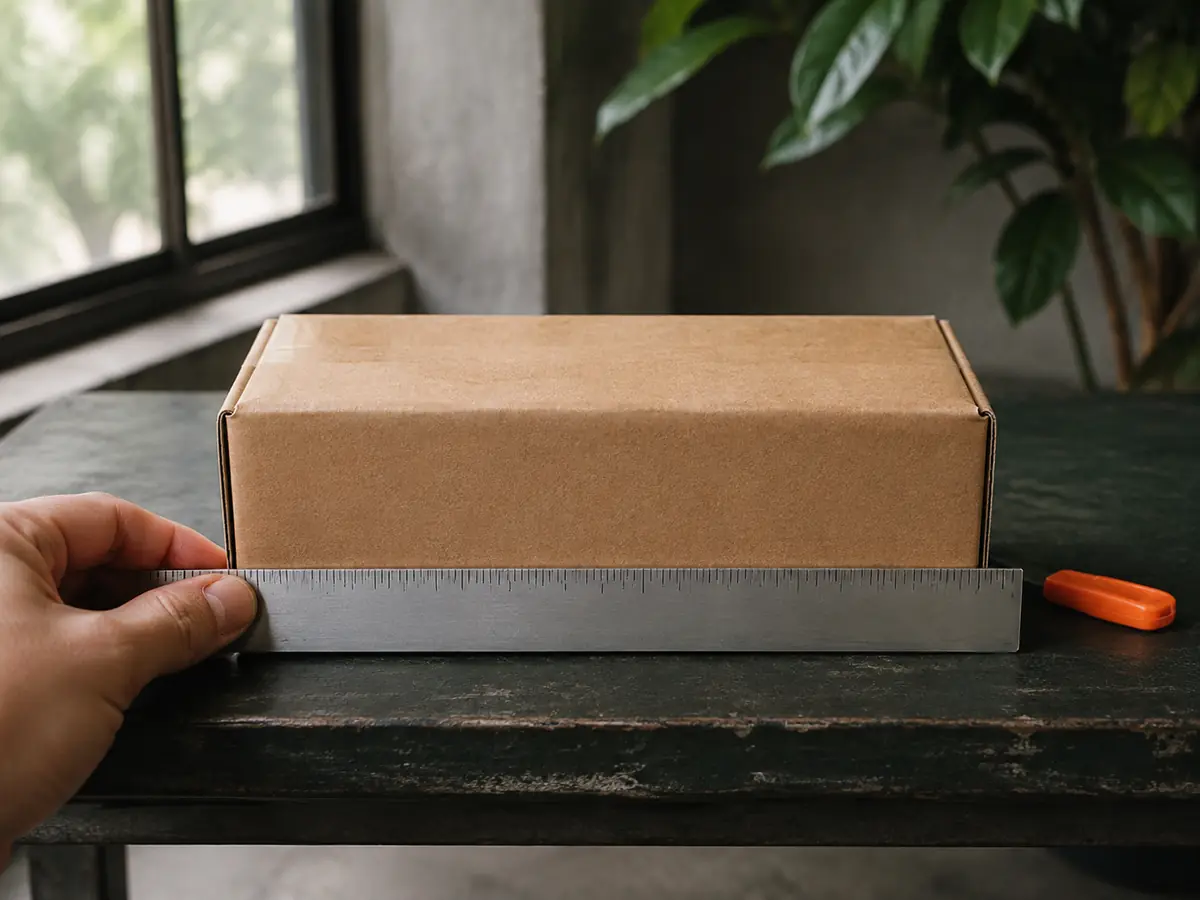
Inches and feet are accepted for convenience. Their exact linear factors are applied before multiplication, so mixed-unit rows can still share a metre-cubed total.
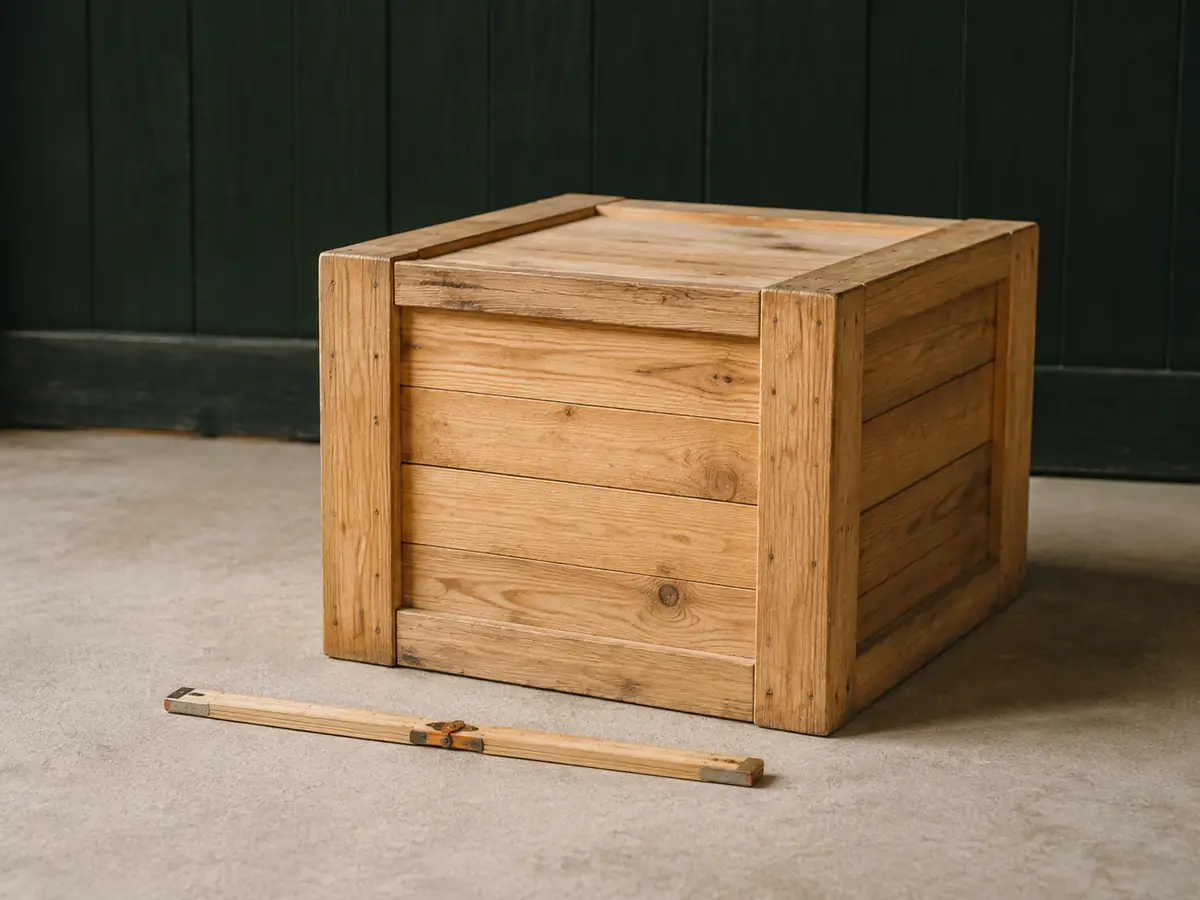
When working in feet, write down which outer points the span covered. A number without its boundary is hard to verify later.